Auxiliary contacts
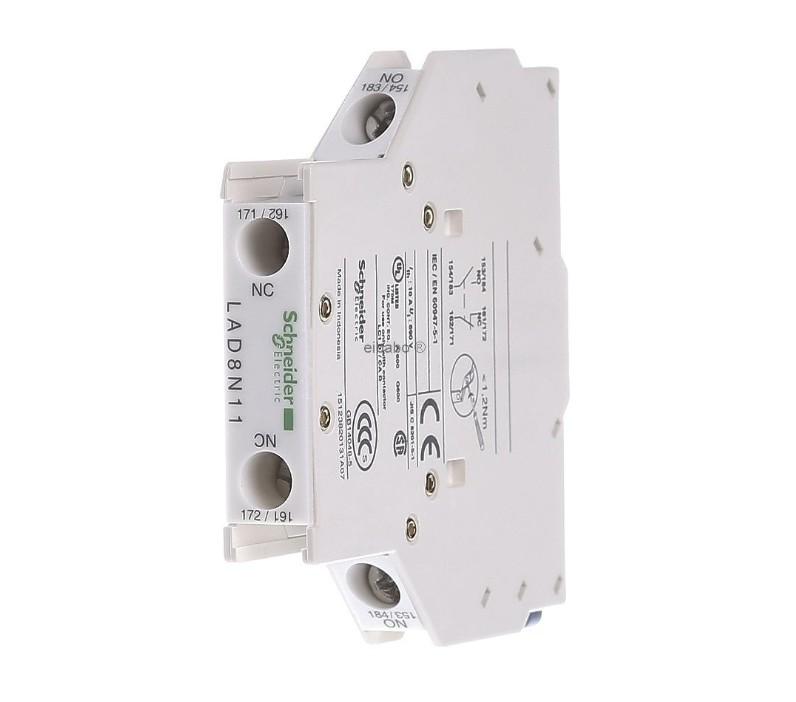
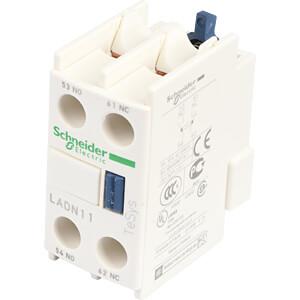
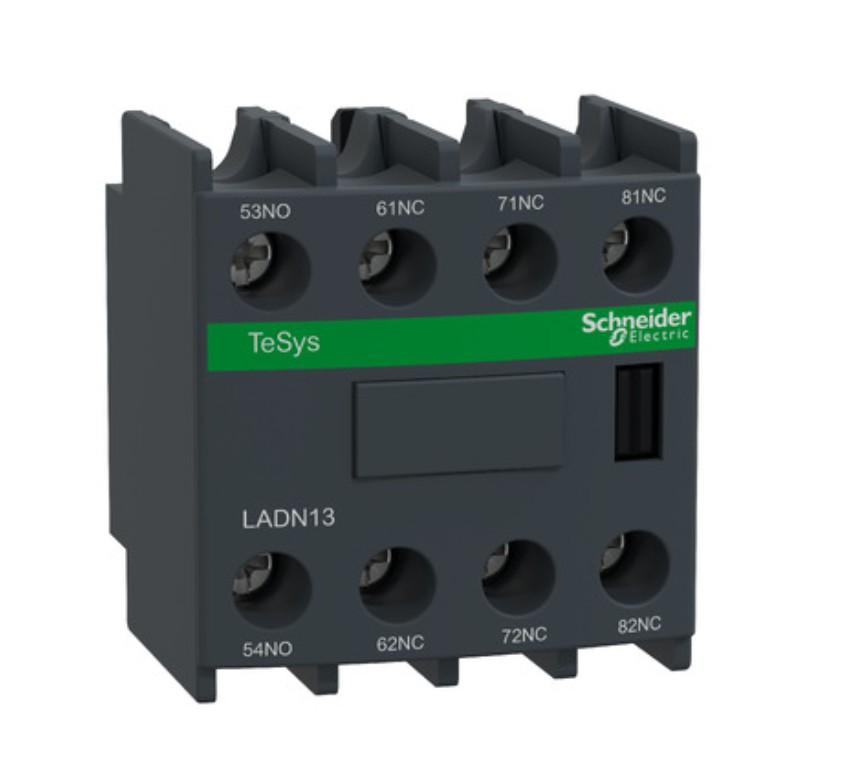
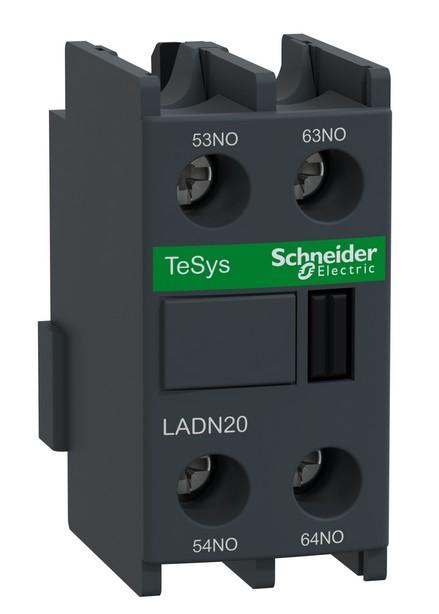
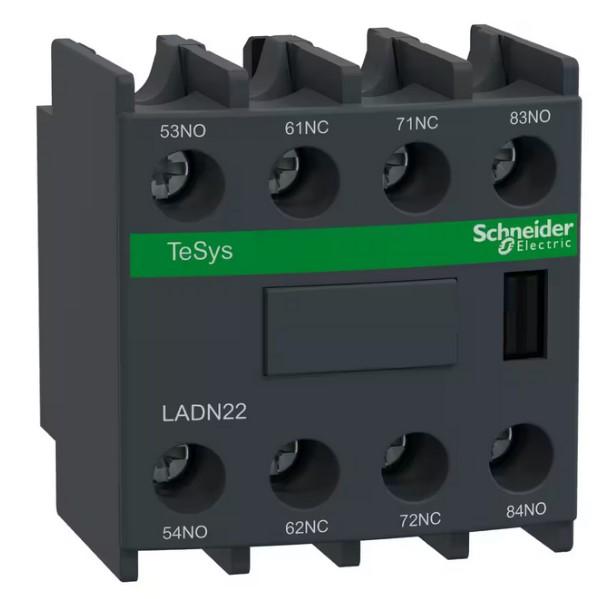
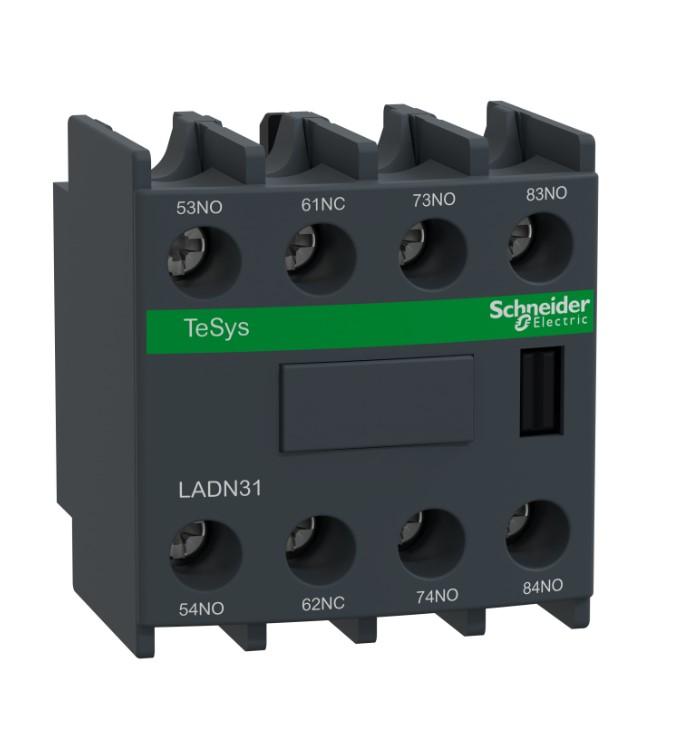
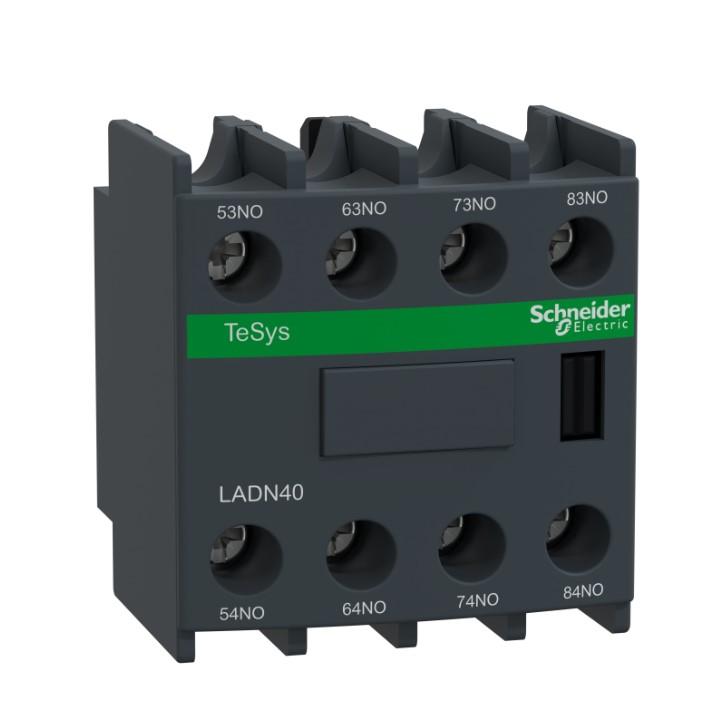
Auxiliary Contacts are complementary devices used in circuit breakers, contactors, and other electrical equipment to provide information about the circuit status. They are essential for the control and monitoring of electrical systems, ensuring greater safety and operational efficiency.
Filters
Filtros

Industrial Protection & Control: Efficiency and Safety
Henvi’s industrial protection and control range has been designed to provide complete control over the electrical and mechanical systems within your infrastructure. As specialist distributors, we bring together in a single catalogue the essential components to ensure that your industrial operation is not only productive, but also resilient to failures and safe for all operators.
Control Components for Precise Automation
Industrial control is the brain of any electrical panel. At Henvi, we supply devices that enable direct interaction between people and machines, as well as the automatic control of loads:
- Power Contactors: For starting and stopping motors and large loads.
- Push Buttons and Signalling Devices: Control buttons, emergency stops and indicator lights for local control.
- Control Relays: For auxiliary logic and thermal protection of equipment.
Industrial Protection Against Electrical Faults
To protect your most valuable assets, Henvi selects protection devices that respond quickly to abnormal operating conditions:
Motor Protection: Motor circuit breakers and thermal overload relays that prevent damage caused by overloads or phase failure.
Technical Selectivity: Ensuring that only the affected area is isolated, keeping the rest of the installation operational.
Durability: Equipment designed to withstand intensive switching cycles in factory environments.
The Ideal Partner for Control and Protection Projects
At Henvi, we understand the challenges faced by maintenance technicians. That is why we offer more than electrical equipment: we provide technical specification support. Whether you need to size a starting system for a pump or configure a control console, our team ensures that you receive the right components, with the necessary European certifications and immediate stock availability.
Frequently Asked Questions About Protection & Control
What does industrial protection and control cover?
This area encompasses all devices that control the flow of energy (control, such as contactors and push buttons) and those that protect equipment and people against electrical faults (protection, such as motor circuit breakers and relays).
What is the importance of integrating protection and control in the same panel?
Integration allows the control system to monitor the status of the protection system. For example, if a motor overheats, the protection device can send a signal to the control system to stop operation and indicate the fault with a warning light, preventing further damage.
Are Henvi control devices compatible with automation systems?
Yes. Our contactors and control devices are compatible with industrial standards, allowing integration with PLCs (programmable logic controllers) and other centralised technical management systems through universal coils and auxiliary contacts.
Control and Power Contactors
Contactors are electromagnetic devices used to control and switch electrical circuits. They are designed to safely and efficiently connect and disconnect electrical equipment and systems, such as motors, lighting, heaters and other high-power devices. There are two main types of contactors: control contactors and power contactors, both of which play essential roles in electrical installations, particularly in industrial and commercial environments. Control contactors can be used in industrial automation systems, control panels or low-voltage circuits. Power contactors can be used in heating systems, industrial lighting or heavy machinery.
Difference Between Control and Power Contactors
Although they share the same electromagnetic operating principle, it is essential to choose the right device for each application:
- Power Contactors: Designed to switch high currents, making them the main component for starting motors and large banks of resistive loads.
- Control Contactors (or Auxiliary Contactors): Used to process signals in logic and control circuits, ensuring coordination between different parts of an automation system.
Technical Features and Connectivity
Our catalogue includes solutions adapted to the real requirements of your installation or maintenance project:
- Versatile Coils: Options in 24V, 230V and 400V (AC/DC) for full compatibility with your electrical panel.
- Utilisation Categories: Contactors suitable for AC-1 (resistive loads) and AC-3 (squirrel-cage motors), ensuring long service life even under intensive switching cycles.
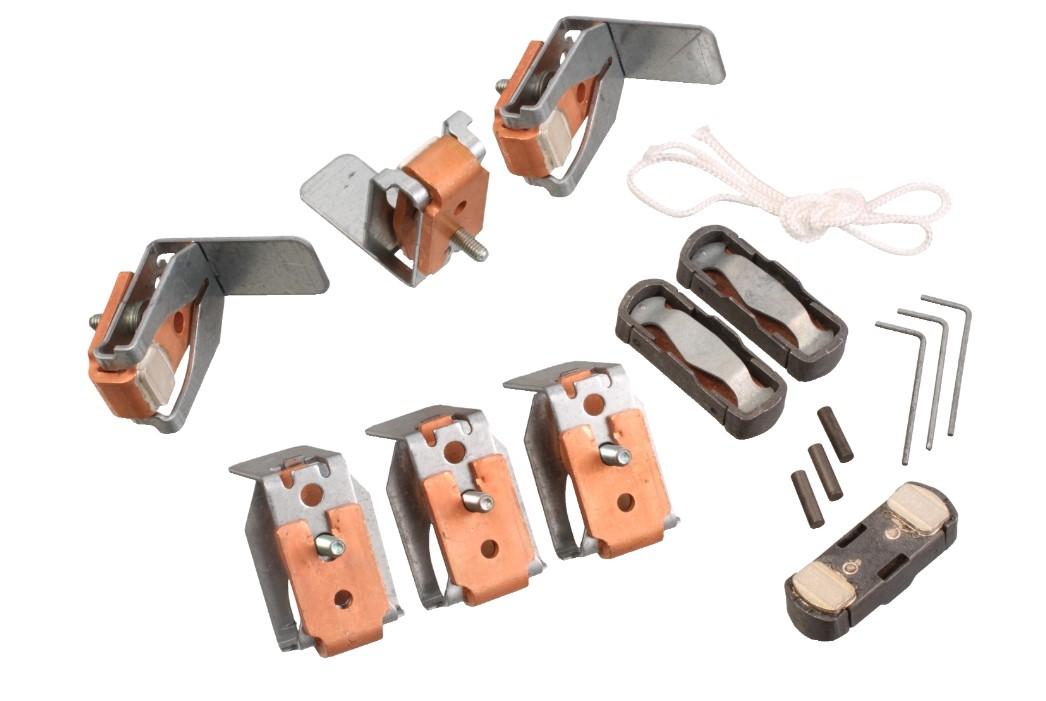
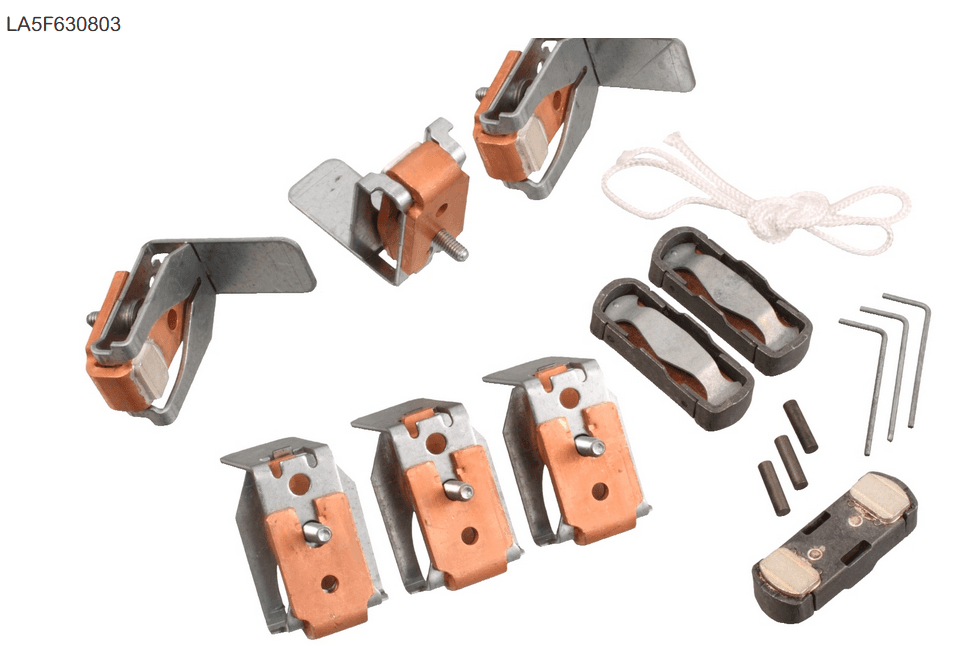
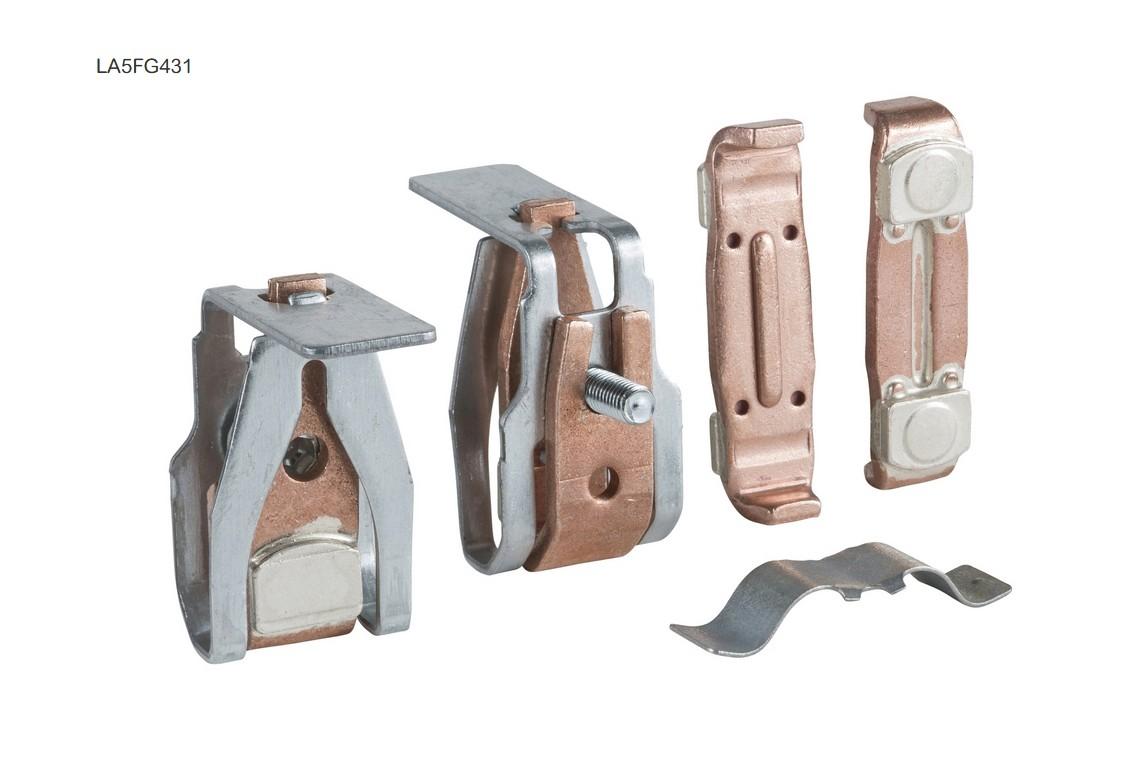
- Modular Accessories: Possibility of adding auxiliary contact blocks, timers and mechanical interlocks.
Common Industrial Applications
Henvi contactors are the preferred choice for:
Pumping and ventilation systems.
Automation and process control panels.
Network and power supply switching.
Large-scale public and industrial lighting control.
Why Trust Henvi for Your Contactors?
At Henvi, we focus on being the installer's trusted partner. In addition to offering high-quality control and power contactors, we provide specialised technical advice to help you select the most suitable rating and utilisation category, preventing premature equipment wear and ensuring continuity of service for your customers.
Frequently Asked Questions About Contactors
How do I select the right power contactor?
Selection should be based on the load's rated current (In), coil voltage and utilisation category (e.g. AC-3 for motors). It is recommended to choose a contactor with a safety margin above the maximum load to prevent contact welding.
What are the AC-1 and AC-3 utilisation categories?
AC-1 applies to non-inductive or slightly inductive loads, such as heaters. AC-3 is specifically intended for starting induction motors, where the starting current is significantly higher than the rated current.
Can auxiliary contacts be added to a power contactor?
Yes. Most of our contactors allow front or side mounting of additional contact blocks (NO/NC) for signalling, interlocking or control logic functions.
What are the most common control voltages?
The most common coil voltages are 230V AC (alternating current) for general applications and 24V DC (direct current) for systems using PLCs and safety automation.



